
Driving in Iceland in Winter: Route 1, Road Closures, Weather & What to Do When Plans Change
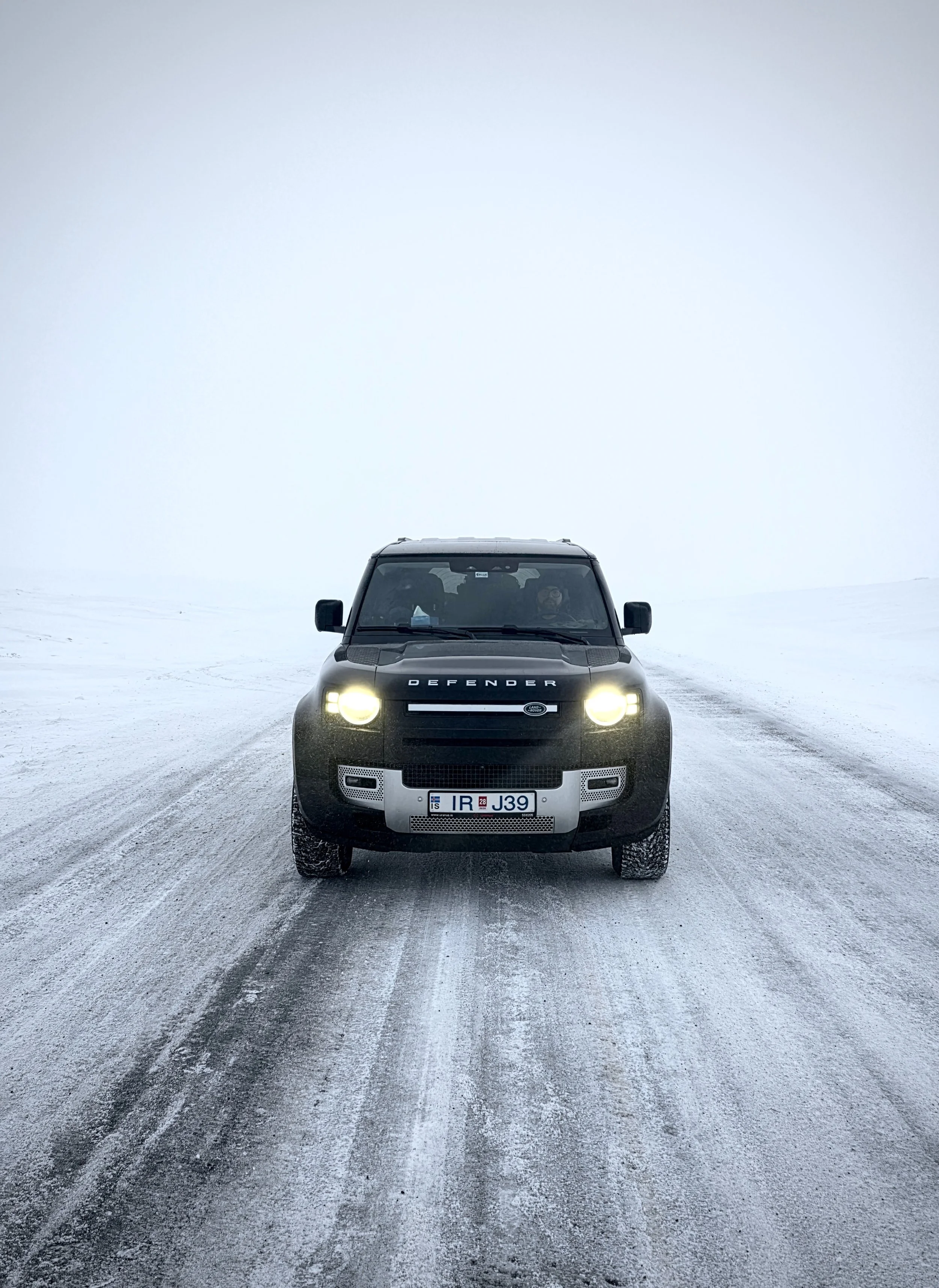
Planning a winter self-drive trip to Iceland can be exciting — and a little intimidating.
One of the most common concerns I hear from travelers is not necessarily what they want to see, but whether the itinerary they have planned will actually work once Icelandic winter weather enters the equation.
Recently, during an Iceland itinerary review call, a traveler had several very reasonable concerns:
Is it safe to drive Route 1 in winter?
What is the drive between Vík and Jökulsárlón like during winter?
How do I know if a road is becoming unsafe?
Am I trying to fit too much into one day?
What happens if a road closes and I can't reach a hotel I've already paid for?
How much daylight do I really have?
What kind of rental car should I book?
These are exactly the questions you should be asking when planning a winter self-drive trip in Iceland.
The goal isn't to be afraid of winter driving in Iceland. It's to understand that a winter Iceland itinerary needs to be planned differently from a summer itinerary.
Can You Drive Route 1 in Iceland During Winter?
Yes, Route 1 — Iceland's Ring Road — remains an important year-round road, and many visitors travel sections of it during winter. You have to drive it to access the big highlights that are on the South Coast and the Golden Circle.
However, there are not one consistent set of driving conditions.
Conditions can vary dramatically from one part of Iceland to another and can change during the course of the same day. Snow, ice, blowing snow, rain and especially wind can affect driving conditions.
That is why I don't recommend planning a winter itinerary based solely on the driving times shown by Google Maps.
A drive that looks perfectly reasonable on paper may need considerably more time under winter conditions.
Your itinerary should have breathing room.
What About Driving From Vík to Jökulsárlón in Winter?
This is a particularly important question because the South Coast between Vík and Jökulsárlón is included in many winter itineraries. The best ice caves are located on Vatnajokull so if you are loking to explore those, you will find yourself on this stretch of road.
The drive itself is spectacular, but you are traveling through a relatively remote part of Iceland where weather conditions matter.
Before leaving Vík — or anywhere else on the South Coast — check the actual road and weather conditions rather than assuming that yesterday's conditions will continue today.
In fact, as I am writing this article, SafeTravel.is currently has an alert covering an area that includes the region between Vík and East Iceland because of the potential for strong wind gusts between Skaftafell and Fjallsarlon.
That is a perfect example of why checking conditions is part of traveling responsibly in Iceland.
The Three Websites I Recommend Checking
For winter self-drive trips, there are three resources I recommend travelers become familiar with before arriving in Iceland.
1. Road.is / Umferdin.is — Check the Roads
The Icelandic Road and Coastal Administration provides current information about road conditions around Iceland.
The current Traffic Info website is available at Umferdin.is.
This should become part of your daily routine during a winter road trip.
I generally recommend checking road conditions:
The evening before: Get an initial idea of what conditions look like and compare them with the weather forecast.
The morning of your drive: Conditions can change overnight, so check again before leaving.
During the day: If you have a longer driving day or the weather is changing, check again before continuing.
The Traffic Info system provides road-condition information along with weather and traffic information gathered from monitoring equipment around Iceland's road network.
It also includes road cameras in numerous locations.
Those cameras can be incredibly useful because a colored road-condition indicator tells you one part of the story; actually seeing what the road looks like can give you additional context.
Don't just look at whether the road is technically open. Look at the overall picture: road condition, wind, weather forecast, warnings and what conditions appear to be doing.
2. SafeTravel.is — Check Safety Alerts
SafeTravel Iceland is operated by the Icelandic Association for Search and Rescue and should be another regular resource during your trip.
I recommend downloading the SafeTravel app before traveling.
SafeTravel publishes travel alerts and information about hazards and changing conditions. Depending on what is occurring in Iceland, this can include severe weather, difficult travel conditions, flooding, landslides, volcanic activity and other hazards.
The SafeTravel app is particularly useful because Iceland's weather and road conditions can change quickly.
SafeTravel also allows travelers to submit a travel plan, providing information that can assist Icelandic Search and Rescue if something goes wrong.
3. Vedur.is — Check the Most Accurate Icelandic Weather Forecast
For weather, I recommend using the Icelandic Meteorological Office rather than relying exclusively on the weather app that came with your phone.
Vedur.is provides official Icelandic forecasts, observations and weather warnings.
One of the most important things for winter travelers to understand is Iceland's color-coded weather-warning system.
Yellow warning: Potentially hazardous weather. Travel can be affected, and you need to examine the specific warning and conditions.
Orange warning: More significant weather with a greater likelihood of disruption and hazardous conditions. Don’t Travel.
Red warning: Extreme, high-impact weather with very hazardous conditions and potentially widespread disruption. Official instructions and updates should be followed closely.
Don't treat the colors as simply "yellow = drive, orange = maybe, red = don't drive."
Read the actual warning.
Where is it?
When does it begin?
When does it end?
What hazard is causing it?
Is the concern wind, snow, rain, flooding or something else?
Your particular route and timing matter as well as what your comfort level is in handling the specific conditions.
Wind Is One of the Most Underestimated Driving Hazards in Iceland
Travelers naturally think about snow and ice when they imagine winter driving.
Wind is often underestimated.
Iceland can experience extremely strong winds, and wind can make driving difficult even when the road itself doesn't look particularly bad.
This is especially important with larger or lighter vehicles that present more surface area to crosswinds.
Strong wind also creates another distinctly Icelandic rental-car problem: damaged doors.
A powerful gust can catch an open car door and damage it surprisingly quickly.
When getting out of the car in windy conditions, maintain control of the door and don't leave it open unnecessarily.
What Kind of Rental Car Should You Get for Iceland in Winter?
For my own clients doing winter self-drive trips, I strongly prefer an appropriate 4x4 vehicle equipped for winter conditions.
Winter tires are essential, but vehicle selection shouldn't stop there.
I also prefer a vehicle with some weight and stability rather than choosing the smallest possible rental even though it is cheaper.
Please be mindful that a 4x4 does not make you invincible.
It doesn't override a road closure.
It doesn't eliminate ice.
And it doesn't mean you should drive into conditions you wouldn't otherwise drive into.
What it does is give you a more appropriate and safe vehicle for the trip.
Why I Often Recommend Blue Car Rental
Blue Car Rental is the company I frequently recommend for Iceland self-drive trips.
One big reason is the insurance options available.
Their current Liability Waiver coverage, for example, includes zero-excess coverage for several risks, including wind-blown door damage and qualifying water damage to the undercarriage.
For Iceland in particular, I generally recommend taking comprehensive rental protection rather than assuming your credit card's rental coverage will solve every problem.
Credit-card rental coverage can have exclusions, reimbursement requirements, vehicle restrictions and other conditions. Iceland also presents risks — such as sand and ash, wind damage and certain types of water damage — that you should specifically verify rather than assume are covered.
Always check the current terms and exclusions when booking because rental policies and coverage can change. Read both the rental company's current coverage and your credit card's policy before making that decision.
You can get a free quote for a discounted rate and free extra drivers with Blue Car Rental Here.
Don't Plan a Winter Day Based Only on Sunrise and Sunset
Winter daylight is another area where itinerary planning becomes important.
If sunrise is at 10:00 AM, that doesn't necessarily mean you have to sit at your hotel until exactly 10:00 before getting on the road.
There is a period called civil twilight before sunrise and after sunset.
Civil twilight is the brightest stage of twilight. During morning civil twilight, the sky begins becoming naturally illuminated before the sun actually rises above the horizon.
That can sometimes be useful when planning a winter itinerary.
For example, depending on conditions, you might leave your hotel during morning twilight so that you are already closer to your first sightseeing stop around sunrise.
However, civil twilight should not be treated as equivalent to full daylight, particularly for winter driving.
Weather changes everything.
A clear morning during civil twilight is very different from blowing snow, fog or heavy precipitation during the same astronomical period.
Think of twilight as potentially useful additional light — not as permission to squeeze another two hours into an already overloaded itinerary.
Leave Buffer Time in Your Iceland Winter Itinerary
This may be one of the most important pieces of advice in this entire article.
Do not plan every winter day down to the minute.
If Google Maps says your driving time plus sightseeing adds up to eight hours and you have exactly eight usable hours, you don't really have an eight-hour itinerary.
You have an itinerary with no contingency.
In winter, I want buffer time.
You may encounter:
Slower driving conditions
Snow or ice
Strong winds
Reduced visibility
A temporary road closure
A longer-than-expected stop
Weather that makes you wait before continuing
A site that simply deserves more time than expected
A well-planned winter itinerary isn't the itinerary that fits the greatest number of attractions into a day.
It's one that still works when Iceland doesn't cooperate perfectly.
What Happens if a Road Closes and You Can't Reach Your Hotel?
This is where winter itinerary planning becomes more complicated.
Let's say you've prepaid for a non-refundable hotel near Jökulsárlón.
You're driving east from Vík, but deteriorating weather results in a road closure.
Now what?
First: never attempt to drive a closed road to protect a hotel reservation.
Your safety is more important than the cost of the room.
Second, understand the financial risk when you book your trip.
A hotel being inaccessible because of weather does not automatically mean that a non-refundable reservation becomes refundable.
Policies vary by property, booking platform, and circumstances.
Travel Insurance Becomes Particularly Important
A good travel-insurance policy can be valuable for an Iceland winter trip, but don't assume that every weather-related disruption will automatically be covered.
Read the policy.
Specifically investigate coverage for trip interruption, trip delay, weather-related disruptions and additional accommodations.
Keep documentation if your trip is disrupted — including road-closure notices, weather warnings, receipts and communication with hotels or other suppliers.
What Should You Do if Conditions Deteriorate?
The answer isn't to panic.
It is to reassess.
Check:
Umferdin.is — What are the current road conditions?
Vedur.is — What is happening with the weather and official warnings?
SafeTravel.is — Are there travel alerts or hazards affecting your route?
Then look at your itinerary.
Do you need to leave later?
Leave earlier?
Skip a stop?
Stay where you are?
Turn around?
Rearrange the following day's itinerary?
Contact your hotel and or tour provider?
This is where having buffer time and understanding the geography of your trip becomes valuable.
Sometimes the right decision is simply to remove an attraction and keep moving while conditions are favorable.
An itinerary should serve you. You shouldn't become a prisoner of the itinerary.
Is Winter Self-Driving in Iceland Dangerous?
Winter driving in Iceland requires preparation, flexibility and good judgment.
There is a major difference between saying, "I'm driving Route 1 in Iceland in February," and knowing the exact route, daylight, forecast, road conditions, vehicle, planned stops and contingency options for that particular day.
That is why I don't think the answer to winter self-driving is simply "yes, it's safe" or "no, don't do it."
The better question is:
Is this particular itinerary appropriate for the season, the traveler and the conditions?
Before Leaving Your Hotel Each Morning
For a winter self-drive trip, I recommend making this a routine:
Check the road. Check the weather. Check the alerts. Then check your itinerary.
Look at your route on Umferdin.is.
Look at the Icelandic Meteorological Office forecast and warnings.
Check SafeTravel.
Check the wind.
Look at road cameras where useful.
Then ask yourself whether today's itinerary still makes sense.
It may be exactly as you planned it.
Or Iceland may be telling you that today needs to look a little different.
Being willing to make that adjustment is part of winter travel in Iceland.
Planning an Iceland Winter Itinerary Is About More Than Choosing Attractions
There are hundreds of articles telling you what to see on Iceland's South Coast.
The harder part is putting those places together into an itinerary that makes sense for your dates, daylight hours, accommodations, driving experience and the realities of Icelandic winter weather.
That was really the concern behind the itinerary review call that inspired this article.
The traveler already had an itinerary.
He wasn't asking me to simply give him another list of waterfalls.
He wanted to know whether what he had planned made sense — particularly the winter driving, Route 1, the Vík-to-Jökulsárlón portion, daylight, pacing and what his options would be if conditions changed.
Those are exactly the kinds of questions worth asking before you arrive in Iceland.
If you've already planned your own trip but aren't sure whether you've packed too much into your days, allowed enough driving time, chosen the right overnight stops or accounted properly for winter conditions, that's what my Iceland Itinerary Review service is designed for.
We'll go through your itinerary together and look at the practical details and see whether the trip actually works as planned.
Useful Official Resources
Iceland road conditions and cameras: Road.is / Umferdin.is
Iceland travel and safety alerts: SafeTravel.is
Icelandic Meteorological Office: Vedur.is